
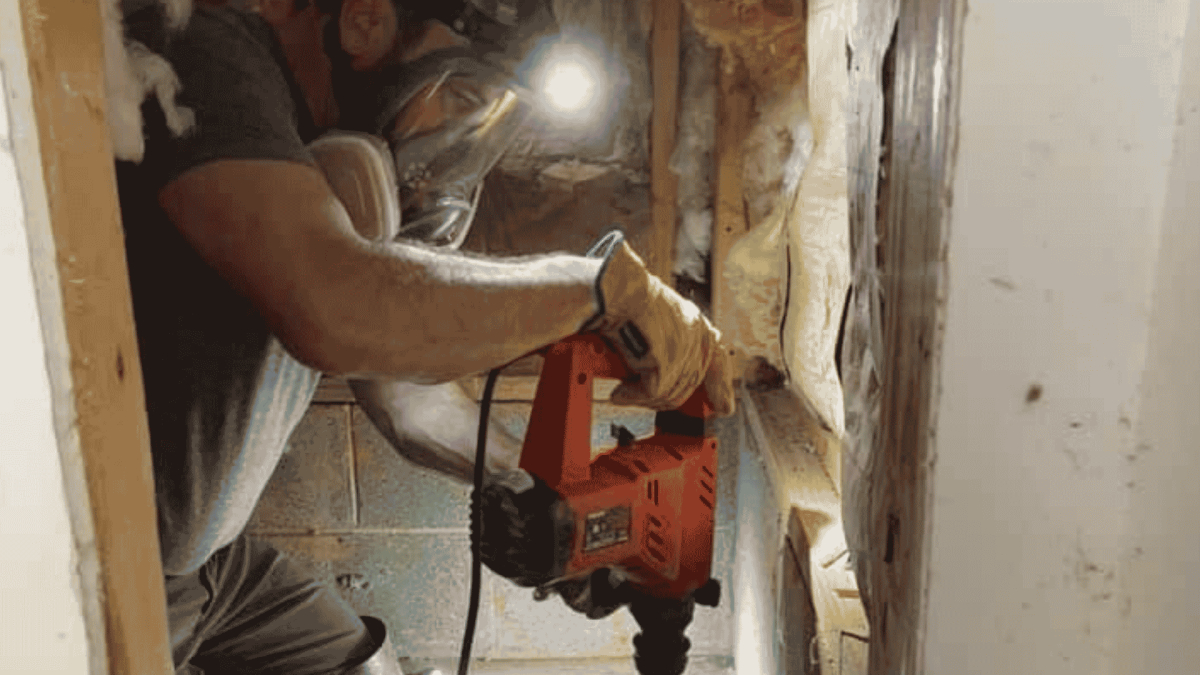
Signs of Termite Activity to Watch For
Early detection is one of the most effective ways to limit termite damage. Knowing what to look for gives you a head start in protecting your property. Here are the warning signs our technicians commonly encounter during a termite inspection in Fletcher and the surrounding area:
Visible evidence:
- Mud tubes running along foundation walls, piers, or crawl space supports
- Damaged or hollow-sounding wood when tapped
- Peeling or bubbling paint on interior or exterior surfaces
- Swarmers (winged termites) or piles of discarded wings near windows and doors
- Frass, which are small pellets of termite droppings near wood surfaces
Structural indicators:
- Doors or windows that suddenly stick or won't close properly
- Sagging floors or ceilings
- Maze-like patterns visible in exposed wood
- Clicking or rustling sounds within walls
- Buckling wood or laminate flooring
Spring Swarm Season: What Homeowners Need to Know
Every spring, typically between late March and May in Western NC, mature termite colonies release swarmers. These winged reproductive termites emerge in large numbers, often after a warm rain, looking to establish new colonies. For homeowners, a swarm is the most visible sign that termites are active in or near your property.
Swarms often happen indoors when termites have already established a colony inside your home's structure. If you see a cluster of winged insects emerging from your walls, window frames, or foundation, that's a strong indication of an existing infestation that requires immediate attention. Swarmers are sometimes confused with flying ants, but there are key differences to look for:
- Termite swarmers have straight, bead-like antennae, while flying ants have elbowed antennae.
- Termites have a broad, uniform waist; ants have a pinched waist between the thorax and abdomen.
- Both pairs of termite wings are equal in length, whereas ant wings are noticeably different sizes.
- Termite wings are translucent and about twice the length of the body. Ant wings are shorter and more proportional.
Our Termite Control Process
Summit Pest Solutions takes a structured, thorough approach to termite control that goes beyond a quick spray-and-go treatment. Our process is designed to eliminate active infestations, prevent future colonies from establishing, and give you ongoing visibility into your home's termite risk.
Step 1: Comprehensive Inspection
Every termite treatment begins with a detailed property inspection. Our licensed technicians examine your home's interior and exterior, focusing on the areas where termites are most likely to enter and establish themselves: the crawl space, foundation walls, support piers, sill plates, and any wood-to-soil contact points. We also assess moisture levels, since excess moisture is one of the primary conditions that attract termites to a property.
Step 2: Customized Treatment Plan
Based on the inspection findings, we develop a termite treatment plan specific to your home. This includes targeted elimination strategies for any active infestations, preventive barrier treatments around the perimeter of your property, and ongoing monitoring systems to detect future activity early. Every property is different, and our treatment plans reflect the unique construction, layout, and risk factors of your home.
Step 3: Long-Term Protection and Monitoring
Termite control doesn't end with the initial treatment. Summit Pest Solutions offers ongoing monitoring and maintenance programs that include regular inspections, preventive maintenance visits, early warning monitoring systems, annual renewal options, and service guarantees. This long-term approach is what separates effective termite protection from a short-term fix.
The Connection Between Moisture and Termites
One of the most important factors in termite prevention that many homeowners overlook is moisture. Subterranean termites require consistent moisture to survive, and homes with uncontrolled humidity in their crawl spaces are significantly more attractive to termite colonies.
This is why Summit Pest Solutions often recommends addressing moisture control as part of a comprehensive termite protection strategy. Controlling humidity in your crawl space doesn't just protect your home from moisture damage; it also removes one of the key conditions that make your property inviting to termites. Services like crawl space encapsulation, dehumidification, and vapor barrier installation can work alongside termite treatment to provide a more complete layer of defense.
WDI Reports: Essential for Home Sales in Fletcher
If you're buying or selling a home in Fletcher, NC, a Wood-Destroying Insect Report (commonly called a WDI report or WDIR) is a critical part of the real estate transaction. Most mortgage lenders, particularly those processing VA and FHA loans, require a current WDI report before approving financing. Even for conventional loans, many buyers and their agents request one as part of the standard inspection process.
Summit Pest Solutions provides WDI inspection and reporting services for homeowners, buyers, sellers, and real estate professionals throughout Henderson County. Our inspectors are licensed and experienced in producing thorough, accurate reports with fast turnaround times to keep your transaction on schedule. To learn more about WDI reports and what they cover, read our detailed guide: Understanding WDI Reports: What Western NC Homeowners Need to Know.
Why Realtors in Henderson County Trust Summit
Real estate professionals need a pest control partner who is responsive, reliable, and thorough. A delayed or incomplete WDI report can stall a closing, and an inaccurate one can create liability issues down the road. Summit Pest Solutions works closely with realtors across the region to deliver timely, professional WDI reports and to provide clear communication when issues are found. If a property does show signs of termite activity, we can move quickly into treatment so the transaction can proceed with minimal disruption.
Termite Prevention Tips for Homeowners
While professional termite treatment and monitoring are the most reliable forms of protection, there are steps every homeowner can take to reduce their property's risk:
- Maintain proper drainage around your foundation so that water flows away from the home rather than pooling near the base
- Fix plumbing leaks and address moisture issues promptly, especially in crawl spaces and bathrooms
- Keep firewood, lumber, mulch, and other cellulose materials stored well away from your home's foundation
- Ensure adequate ventilation in crawl spaces to reduce humidity buildup
- Trim shrubs and vegetation away from your home's exterior walls to improve airflow and reduce damp conditions near the foundation
- Avoid direct wood-to-soil contact on decks, porches, and exterior structures
- Schedule regular professional termite inspections, even if you don't see signs of activity
These preventive habits, combined with a professional monitoring program, give your home the strongest possible defense against termite damage in Henderson County.
Frequently Asked Questions
How do I know if I have termites in my home?
The most common signs include mud tubes on your foundation, hollow-sounding wood, swarmers or discarded wings near windows, doors that stick, and visible damage to wood surfaces. However, termites often work inside walls and below floors where they aren't visible, which is why professional inspections are so important. Summit Pest Solutions offers free termite inspections to identify activity you might not be able to see on your own.
How often should I have my property inspected for termites?
We recommend an annual termite inspection for all properties in Western NC. If your home has a crawl space, is located near wooded areas, or has a history of moisture issues, more frequent inspections may be appropriate. Regular monitoring is the most cost-effective way to catch termite activity before it causes significant damage.
What is the difference between a termite inspection and a WDI report?
A standard termite inspection evaluates your property for signs of termite activity and conditions that may attract them. A WDI report is a formal, standardized document required for most real estate transactions. It identifies evidence of all wood-destroying insects, not just termites, and is completed by a licensed inspector. Summit Pest Solutions provides both services for homeowners and real estate professionals in Fletcher, NC, and throughout Henderson County.
Does termite damage affect my home's value?
Yes. Unresolved termite damage can significantly reduce a property's market value and complicate the sale process. Lenders may decline to finance a home with active termite damage or evidence of unresolved infestations. A current termite treatment plan and a clean WDI report can help protect your property's value and make the sale process smoother.
How does moisture control relate to termite prevention?
Subterranean termites depend on moisture to survive. Homes with high humidity levels in their crawl spaces, poor drainage around their foundations, or unaddressed leaks are at much greater risk for termite activity. By controlling moisture through encapsulation, dehumidification, and proper drainage, you remove one of the primary conditions that attract termite colonies. Many homeowners find that combining termite treatment with moisture control provides the most comprehensive protection for their property.
Schedule Your Free Termite Inspection Today
Whether you've spotted warning signs, you're preparing your home for sale, or you simply want the peace of mind that comes with knowing your property is protected, Summit Pest Solutions is ready to help. We've served homeowners and real estate professionals throughout Henderson County for over 20 years, and our team treats every inspection and treatment with the same care and thoroughness we'd give our own homes.
Contact Summit Pest Solutions or call (828) 707-0282 to schedule your free termite inspection in Fletcher, NC. We proudly serve Fletcher, Arden, Mills River, Hendersonville, Asheville, and all of Western North Carolina.